
By Anna Ram~ Psychologist.
Anna holds a Postgraduate Specialization in Mental Health of Immigrants, Minorities and the Socially Excluded with Psychological and Cultural Interventions, awarded by the University of Barcelona.
The migration of people from one place to another often emerges as a solution to complex problems. However, this process has both positive and negative aspects. Among the advantages are new opportunities and horizons that can be crucial for progress and, in some cases, for survival. On the other hand, the disadvantages include great challenges and difficulties.
The History of Migration
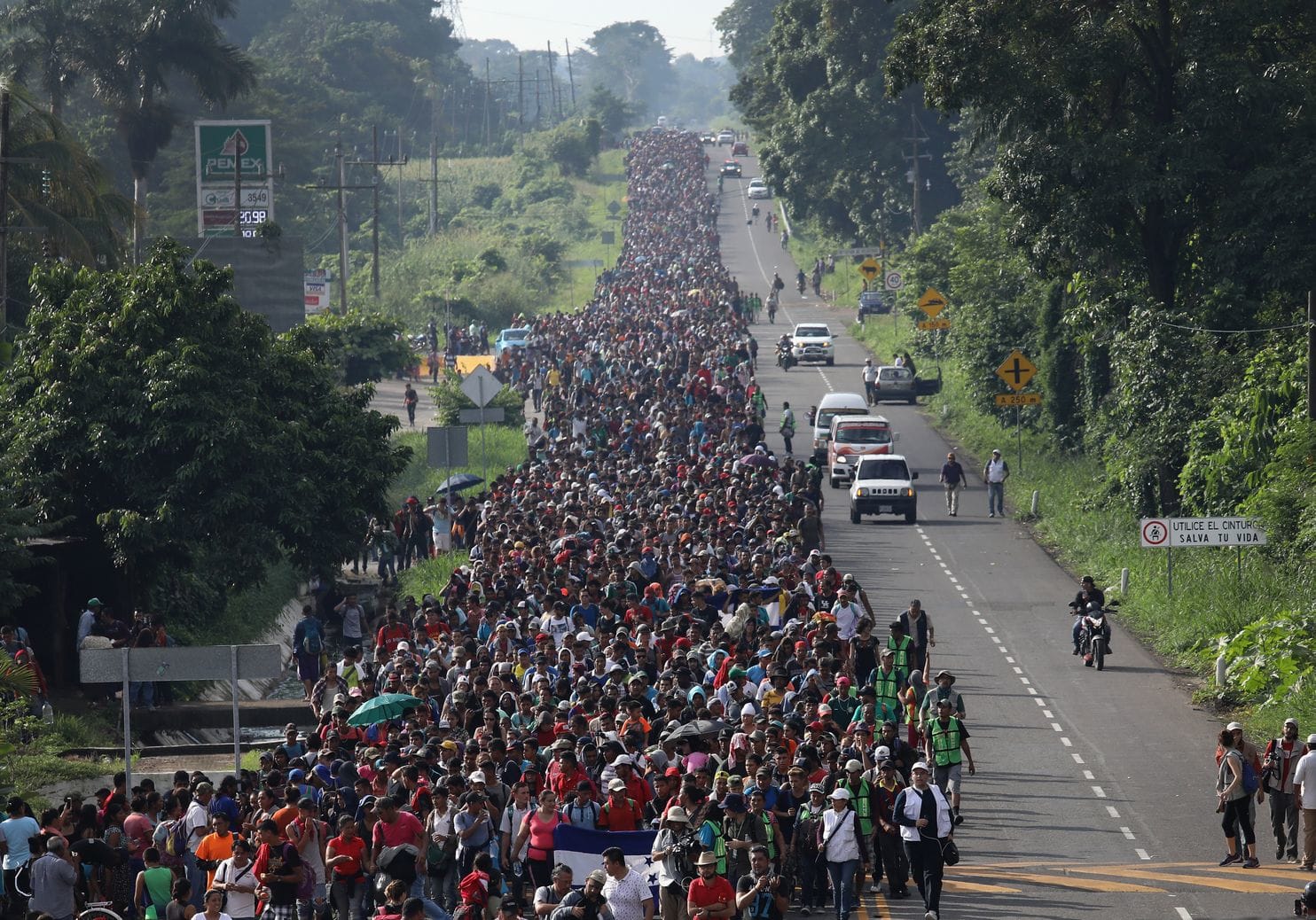
Since ancient times, human beings have migrated in search of better living conditions. This ability to adapt to new circumstances has been fundamental for survival. Historical findings show that migration is not a recent phenomenon. Entire civilizations have made great exodus throughout history. Recent examples include European pilgrims fleeing religious persecution to America and immigrants escaping the world wars. Today, thousands of people are still on the move, facing adverse conditions and, in many cases, finding refuge in other countries, such as Ukrainians. However, there are those who remain in situations of extreme vulnerability, such as the people of Gaza, who were displaced by the war, and now without a home to return to, but are seen returning to the ruins of their country with the intention of rebuilding and relocating themselves to the place of their belonging.

Migration and Mental Health
Migration can be a solution to problems and it is not in itself a cause of mental disorders. However, it can become a risk factor under certain conditions, such as:
- Vulnerability of the individual (illnesses or disabilities).
- High levels of stress (hostile environments).
- The combination of both conditions.
Mental Health Risks
According to research studies conducted by Dr. Joseba Achotegui, stress and migratory grief are two of the main threats to the mental health of migrants.
Stress: A Natural Response
Stress is a natural response of the body to challenging situations. Although it can be helpful in small doses, chronic stress can have negative effects on physical and mental health.
Migratory Stress
Migratory stress refers to the emotional, psychological, and social tensions that arise during the migratory process. Some of the factors that contribute to migratory stress include:
- Uprooting: The separation of loved ones and the community, generating loneliness and mourning.
- Cultural adaptation: The need to adjust to a new culture and language, which can be overwhelming.
- Uncertainty: Lack of certainty about the future, including immigration status.
- Discrimination: Hostile attitudes that can increase stress.
- Economic conditions: Difficulties in finding employment and adapting to new economic realities.
- Legal difficulties: Facing complex legal processes can be stressful.
Migratory Grief
Migratory grief is an emotional process experienced by those who have left their country of origin. This type of grief involves the loss of connection to home, culture, and previous life. It is characterized by many factors, such as:
- Loss of identity: The disconnection from the culture of origin and the difficulty in integrating into the new one.
- Feelings of guilt: The emotional burden of having left loved ones behind.

Characteristics of Migratory Grief
Migratory grief differs from mourning the loss of a loved one who we will no longer see on this earth. Migratory grief also entails a feeling of loss, and it can be classified into simple grief, complicated grief, and extreme grief. Its characteristics are:
- It is a partial mourning
- It is a recurring grief
- It is linked to deep-rooted childhood aspects
- It is a multiple mourning: The 7 griefs of migration. (see… resources).
- Leads to changes in identity
- It gives rise to a psychological regression (infantilism and dependency)
- It occurs in a series of phases (denial, resistance, acceptance, restitution).
- It involves the implementation of defense mechanisms and cognitive errors in the processing of information. (prevents adaptation).
- It is accompanied by feelings of ambivalence. (to the country of origin and the host country)
- The mourning is also experienced by the natives, those who stay in the country of origin.
- The return of the immigrant is a new migration (deportation, voluntary leaving.)
- Migratory grief is transgenerational.
In conclusion:
Migratory stress and grief can have a significant impact on migrant’s mental and physical health. It is crucial that they receive appropriate support, which may include mental health and social services, support groups, and community resources to facilitate their integration and adaptation. Understanding these processes is essential to properly addressing the risk factors to your mental health.
- Related reading: Ulysses Syndrome
Apreciamos tus comentarios- Leave a comment