
By Anna Ram~ Psychologist~ Pastoral Integrative Counseling
Thanksgiving is by tradition, an American cherished national holiday that falls every 4th Thursday in November. But it is more than just a day; it’s a celebration of the bonds we share and the blessings we often take for granted. We celebrate gratitude, togetherness, and the joy of community and giving.
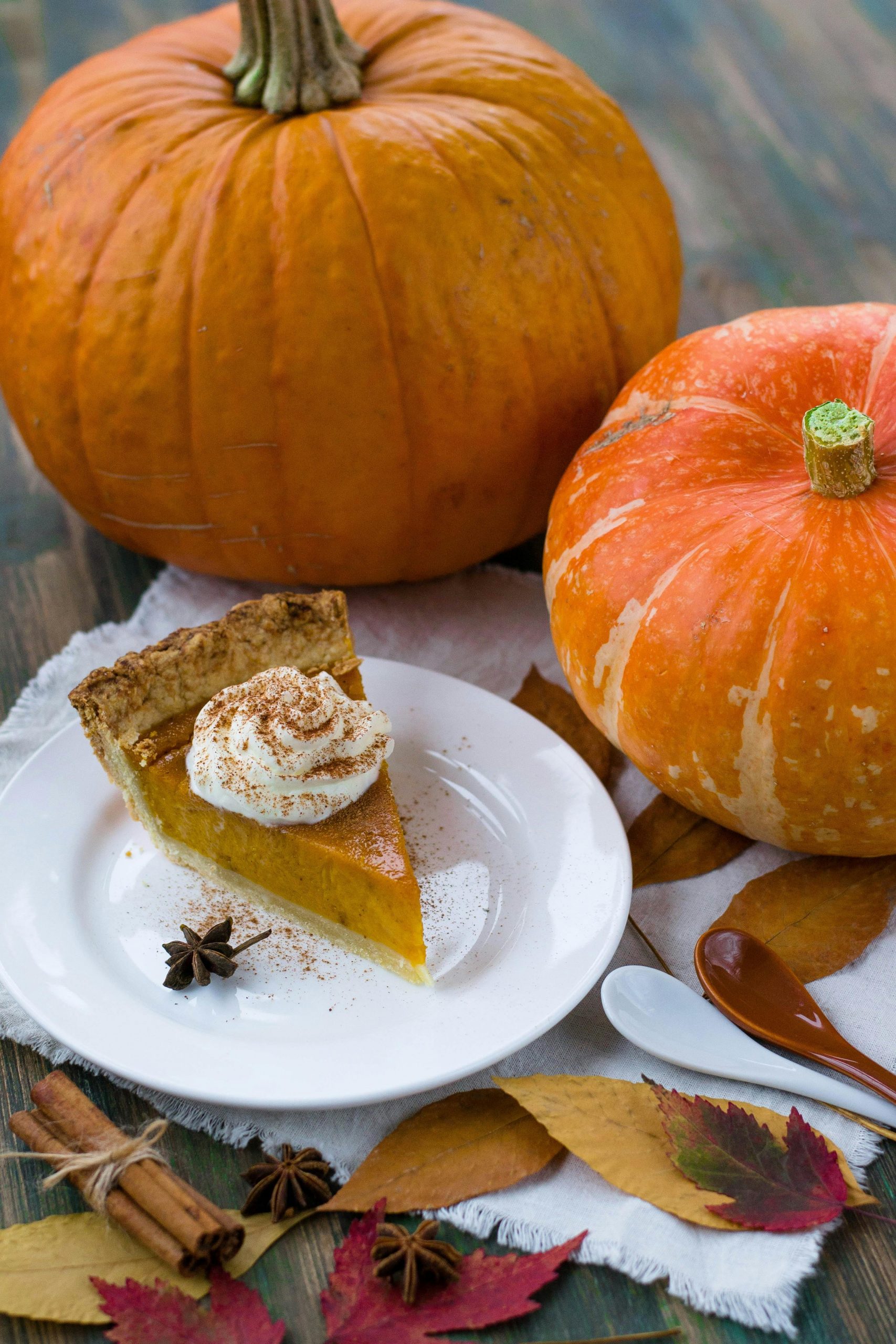
Thanksgiving Day, invites families and friends to pause and reflect on their blessings, from the larger gifts of health and friendship to the smaller joys that fill our daily lives. Gathering around a beautifully prepared feast, featuring traditional dishes like turkey, stuffing, cranberry sauce, and pumpkin pie among many others, we create lasting memories while reinforcing our connections. This holiday encourages us to extend our gratitude beyond our immediate circle by sharing kindness and giving back to those in need.
Thanksgiving Day also opens the celebration to Christmas and New Year’s celebrations. Despite the fact that every time is more difficult for family members who live in different States to come together, this is still the busiest weekend for flying in USA, from one place to another. See Travels
What We Do During Thanksgiving?

During Thanksgiving, we come together to share food and stories, creating wonderful memories and unity. As we sit around the table, we express what we are grateful for, I love to give my guests a few “turkey jokes” as a surprise to read, and we say a prayer blessing. Also, we can practice hospitality; welcoming others and even strangers; sharing generously and showing kindness. It’s a time to extend our love and care, not just to our immediate family, but also to friends, neighbors, and those in need. For instance, churches deliver the whole menu ingredients to families in need, and organizations like Salvation Army, offer free warm meals for anyone who shows up on that day. Businesses are closed.
Some families invite others into their intimate gathering and share a meal. I remember how in our early days living in USA, many church members and even neighbors invited us to their homes in Thanksgiving week, and we attended with our little children, also as a gesture of acceptance of their generosity, even when we didn’t know them well, or their food was not appealing to our diet. Gratitude has a unique way of transforming our outlook. As poet Robert Brault once said, “Enjoy the little things, for one day you may look back and realize they were the big things.” We never forgot their kindness and how that warm experience welcomed us into a new land, into their hearts and into new friendships.
The Historical Context of Thanksgiving

What Food Was Served at the First Thanksgiving in 1621?
While Thanksgiving today is known for turkey, stuffing, pumpkin pie and more, according to the Smithsonian Magazine, the menu was different as it is today. Its history is more complex…
First Thanksgiving: The earliest recorded Thanksgiving celebration in North America occurred in 1565 when Spaniard explorer Pedro Menéndez de Avilés and his crew held a feast in what is now St. Augustine, Florida. This event was a religious ceremony to give thanks for their safe arrival and to celebrate their new settlement, involving a mass and a meal shared with local Indigenous people.
Pilgrims’ Celebration: Nearly 56 years later, in 1621, the Pilgrims in Plymouth, Massachusetts, celebrated a harvest feast with the Wampanoag tribe. This gathering was significant as it emphasized cooperation, gathering the harvest, and mutual respect between the two groups during difficult times.
Cultural Context: While both events are acts of thanksgiving, their cultural and historical contexts differ. The Spanish celebration was deeply religious and linked to colonial ambitions, while the Pilgrim feast focused on survival and partnership with Native peoples. Therefore, while the Pilgrims are commonly associated with Thanksgiving in American history, the Spaniards were indeed the first to celebrate a similar event in North America. Surprised? Me, too.
As time went on, the holiday became more about feasting and celebration and officialized as a remembrance of the Pilgrims. Anna Zeide, associate professor of history and director of the food studies program at Virginia Tech, in her article describes how Sarah Josepha Hale, the editor of a very popular women’s magazine called Godey’s Lady’s Book, wanted to create a Thanksgiving celebration as a project of national unity. For many years, she petitioned sitting presidents to make Thanksgiving a national holiday. She finally succeeded with Abraham Lincoln during the Civil War, when he passed the Thanksgiving Proclamation in October 1863.


History is always important because tell us the complications that followed, including conflicts between colonizers and Indigenous tribes, for the very same reasons that brought them together. We must learn from history and not try to re-write it to our convenience. Another important detail Zeide mentions is that “Lincoln doesn’t actually reference the 1621 event at all, but he suggested that the Thanksgiving holiday was about national unity in the midst of the Civil War.” Knowing these history facts, we should not be surprised either when our family thanksgiving dinners unexpectedly turn “sour” distancing family relationships. Unity is a hard work. But we should not overlook our problems or hide them “under the rug.” Healing is available for those who embrace it!
Celebrating Thanksgiving Worldwide
Thanksgiving isn’t just celebrated in the United States; many countries have their own versions of giving thanks. For instance, in Canada, Thanksgiving is celebrated in October, while in Germany, there’s a harvest festival called “Erntedankfest” a “thanks for the harvest festival,” a religious holiday celebrated in both Catholic and Protestant churches. Each of these celebrations emphasizes gratitude, food, and family, showing that the spirit of giving thanks is a universal concept.
Thanksgiving Day is being adopted in many Christian nations and is even funny to learn that some catholic background countries call it “Saint Giving.” Perhaps, a mispronunciation to “thanks”(sants), or a term intentionally selected for a religious connotation. Nevertheless, it is humorous, and cute.
The Importance of Gratitude- What Gratitude Does to Us?
Researcher Dr. Brene Brown says that “Gratitude is a place where all go when life is good” as gratitude is a positive emotion. Studies show that people who regularly express thanks feel more positive about their lives. Gratitude reflects our deep appreciation for what we have (we do not take it for granted.) . Gratitude can even make us happier and less stressed, bringing meaning to our lives in what we value and what connect us to ourselves and others. Research data shows that gratitude is directly correlated with our mental, physical, and emotional health. It improves our sleep, decreases blood pressure, increase activity, improves decision making, and more benefits. If we do not enjoy those benefits, is valid to ask ourselves: Am I satisfied with my life these days? Am I practicing enough gratitude in my life or have I taken things, help, health, hospitality, giving, or people in my life for granted?
What Happens When We Say, “Thank You”?

Many people do not say “Thank you” or say “Please.” But when we say it, we acknowledge the efforts of others. This simple act can brighten someone’s day as it is an expression of kindness and respect, creating deeper connections.
I was born in a warmth culture where “thanks and please” is expressed maybe in excess. But one lovely practice I adapted to in Unites States is to send “thank you notes.” This is a kind gesture that shows politeness and appreciation for others as we honor them, even for the minimal things done to us. This practice is something I have not seen in countries like Spain, where the tone of conversation is more direct. I have heard “thanks” from a few friends but I am trying to remember if I have ever heard a “please or thank you” from a stranger, even as a business practice in a store, for instance. Definitely, back in 2001, they did not sell thank you cards. Now, Spain has a few regions that celebrate Thanksgiving Day as well. Either because they do it in Christian communities or in a commercialized approach.
A Biblical Perspective on Gratitude
The importance of gratitude is also echoed in the Bible, as we remember the Pilgrims were European Christian Puritans settling in America, escaping religious persecution.
 “Give thanks in all circumstances; for this is God’s will for you in Christ Jesus.”
 1 Thessalonians 5:18
This verse reminds us to be thankful not only during good times but also during challenges, helping us develop a mindset of gratitude and acceptance to deal best with situations.
As we celebrate Thanksgiving, let’s see beyond our plates and take a moment to reflect on the deeper meaning behind the holiday, expressing appreciation for God and for those around us. Even Jesus, needs to hear “our thank you” as shown in “Jesus Heals Ten Men With Leprosy” story in Luke 17:11-19 where only a foreigner came back to say “thank you.”
15 One of them, when he saw he was healed, came back, praising God in a loud voice. 16 He threw himself at Jesus’ feet and thanked him—and he was a Samaritan. 17 Jesus asked, “Were not all ten cleansed? Where are the other nine? 18 Has no one returned to give praise to God except this foreigner?” 19 Then he said to him, “Rise and go; your faith has made you well.”
Luke 17:11-19 NIV
When we pray this Thanksgiving day, let’s also remember to pray for the Immigrant population under persecution in USA. Pray for the unemployed, for the poor. for the sick, for family broken relationships, etc.
Share Your Blessings, Help Those in Need, Create Lasting Traditions, Welcome Others.
Happy Thanksgiving wherever you are!
2 responses to “Embracing The Spirit of Thanksgiving: Gratitude, Hospitality, Cultures and History”
-
This is really interesting. I learned a lot of things about Thanksgiving. I will say “THANKS” a thousand times for all the friendship I may receive from far away friends and close neighbors.
In Belgium we don’t have Thanksgiving, but that doesn’t mean we are not grateful for all the great things we receive from our Lord! Amen!-
Great comment. Thank you for participating. This week and always, gratitude and thanksgiving makes our hearts joyful and hopeful. Be blessed.
-
Apreciamos tus comentarios- Leave a comment