
By Anna Ram~ Psychologist, Integrative Pastoral Counseling. Anna, holds Post-graduate Specialization in Trauma and Mental Health in Immigrant and Minority populations.
Understanding Trauma and Silence
Silence serves as a powerful and positive force in various aspects of our life, offering us opportunities for reflection, connection, and emotional processing without the need for words. In moments of self-reflection, silence allows us to engage deeply with our thoughts and feelings, causing us to become more aware and mindful of our actions. Silence also plays a crucial role in healing, providing a necessary space for us to process our emotions and experiences at our own pace. Silence is also needed to inspire us to new ideas and is valuable for personal growth.
In the general context of trauma, silence plays a complex and multifaceted role, affecting both survivors and bystanders in distinct yet interconnected ways.
For trauma survivors, silence often serves as a maladaptive coping mechanism, leading to emotional withdrawal, unprocessed feelings, and strained relationships due to internalized shame and cultural stigmas surrounding trauma discussions. This silence creates barriers to healing, leaving survivors feeling isolated and disconnected from others.
On the other hand, bystanders may experience their own form of silence, often rooted in fear of misunderstanding the situation or saying the wrong thing. They may feel empathy and distress, grappling with feelings of helplessness and guilt for not intervening, or supporting the survivor. This silence can strain relationships, as survivors may perceive it as indifference, while bystanders may struggle with internal conflict about their inability to act. Ultimately, both parties are affected by the silence surrounding trauma, highlighting the need for open communication and support to facilitate healing.
Trauma Impact of Forcible Deportations on Immigrant Families
As we navigate our daily lives, the stories of immigrant families facing forcible deportations often fade into the background noise of news cycles. Yet, the ramifications of these actions extend far beyond the individuals directly affected; they ripple through American communities, touching the lives of Americans in profound ways, no only at economic, political, societal levels but most important, it brings mental health implications when citizens try to ignore such a pressing issue.
“The Lord is close to the brokenhearted and saves those who are crushed in Spirit.”
Psalm 34:18
Forcible deportations create widespread trauma that affects not only the families torn apart but also the communities from which these individuals are removed. Families face uncertainty, fear, and migratory-grief- with children left without parents and primary caregivers, especially if they are babies or in school age, leading to unhealthy development, cycles of anxiety, depression, school failure, and economic hardship that can last for generations. The emotional scars manifest as increased rates of PTSD and mental health issues among those directly impacted, and this should raise concerns as 1 in 4 U.S. children live with at least one foreign born parent. Fact-Sheet.pdf
Additionally, community members (citizens) experience trauma rooted in helplessness and moral distress, feeling guilt and anxiety as they witness the suffering of others. This collective emotional burden strains society, risking desensitization to human suffering and eroding empathy.
“Neutrality in the face of injustice aligns one with the oppressor”
Desmond Tutu
The Human Rights of Immigrants
The issue of forcible deportations is deeply intertwined with the human rights of immigrants, highlighting the urgent need for understanding within our communities. Every human being has rights. Know-Immigrants-Rights.
What The Constitution of Unites States Says on Immigrant Rights?
Fifth Amendment: This amendment states, “No person shall be… deprived of life, liberty, or property, without due process of law.” It ensures that all individuals, regardless of immigration status, are entitled to due process in our court systems. Procedural due process often requires the government to provide a person with notice and an opportunity for a hearing before such a deprivation.
Fourteenth Amendment: This amendment includes the Equal Protection Clause, which states, “No state shall… deny to any person within its jurisdiction the equal protection of the laws.” This clause reinforces the principle that all individuals deserve equal treatment under the law.
ArtI.S8.C4.1.1 Overview of Naturalization Clause
ArtI.S8.C4.1.1 grants Congress the authority to establish a uniform rule of naturalization, which outlines the process for immigrants to become U.S. citizens. Once individuals complete this process and take the Oath of Allegiance, they are granted citizenship and no longer regarded as immigrants. (this process takes about 10 years for each individual, and it is costly.)
Additionally, the Fourteenth Amendment affirms that “all persons born or naturalized in the United States” are citizens, reinforcing this transition from immigrant status to citizenship, “ (a naturalized citizen becomes a member of the society, possessing all the rights of a native citizen, and standing, in the view of the Constitution, on the footing of a native.) This is not understood by many who still see naturalized citizens as “foreigners” which is legally incorrect.
The Issue
While a significant portion of the population has expressed concerns about illegal immigration, (some polls indicating that around 60% of Americans support stricter immigration policies), this perspective often oversimplifies a complex issue. Many voters associate immigration with crime and safety, believing that apprehending immigrant individuals who have committed crimes is a priority. Which it is. However, when we generalize and use narratives that dehumanizes those who benefit our society and seek a better life, we endanger them.
The Power of “Voice” in Healing Trauma
Raising our voices in the face of silence and any type of trauma is a powerful way for us to take back control of our stories and share our experiences. When we break the silence, we open up about our feelings, find emotional relief, and connect with others who may feel isolated. Speaking out not only helps us build support networks but also encourages open conversations that challenge the stigma around trauma. It raises awareness and pushes for changes that can help others heal.
In cultures where silence is common, our voices can inspire others to share their stories too, breaking the cycle of silence and creating a more supportive space for all of us to heal together.
The Raising Voices
In many communities in US, individuals are beginning to speak out. Town halls are becoming platforms for discussion, where residents gather to share their concerns and advocate for humane policies among other issues they are concerned.
Many nonprofits continue stepping in to serve these vulnerable groups, providing legal assistance, mental health support, and community resources. Organizations like United We Dream, The American Civil Liberties Union (ACLU) and other religious organizations or churches are working tirelessly to protect the rights of immigrants and provide a voice for those who feel voiceless. Again, it becomes clear that we cannot afford to ignore this issue. Acknowledging the trauma experienced by immigrant families is not just an act of compassion; it is the right thing to do. It is not only essential for our collective mental health, and a way to find alternatives to mend a broken system through open conversations that lead to find healing, but to limit the extent of irreparable damage.
How Can We Support These Families?
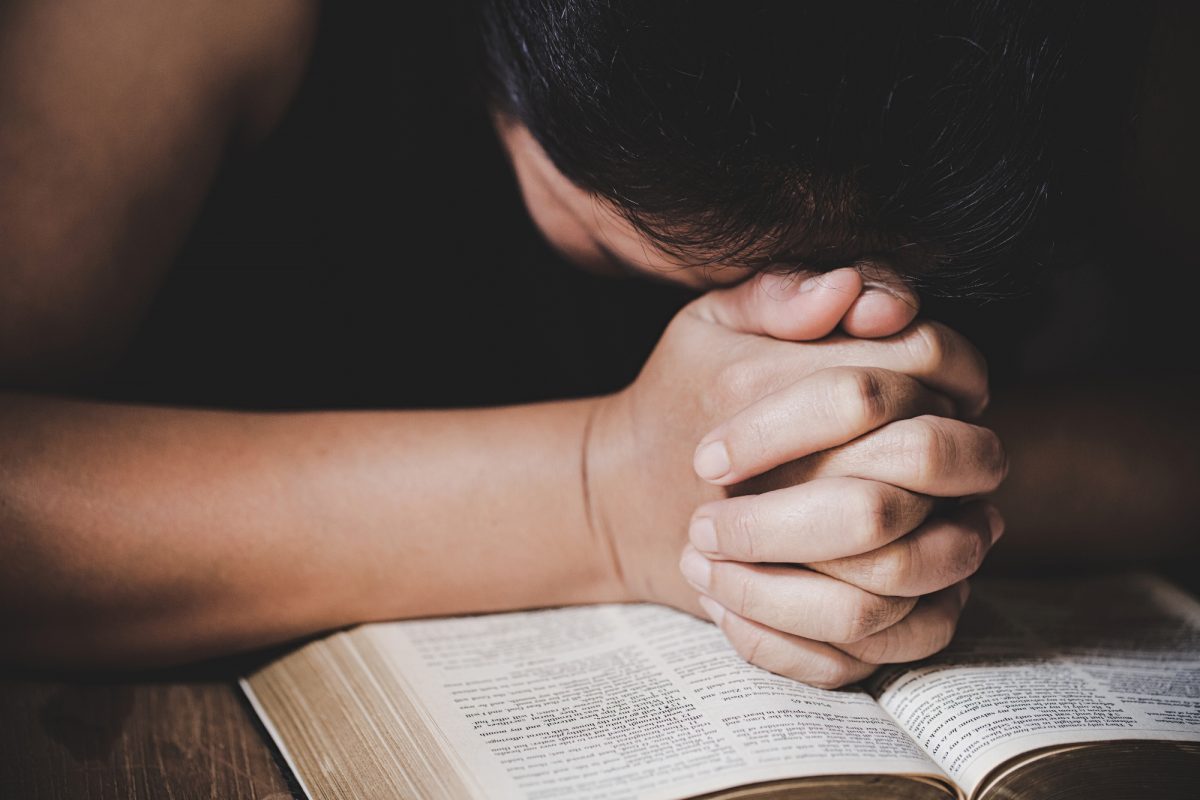
- One powerful way to support these families is through ongoing prayer with sincerity and an open heart. You can do it at any time in your personal time of prayer, and also in groups, inviting people to pray consciously for immigrant families. This can be a meaningful act of solidarity that God will account as prayer serves as a reminder of our shared humanity and the importance of compassion.
- Additionally, community members can engage in community service, volunteering or participating in efforts to support immigrant families as God leads.

Heavenly Father,
I come before You with a humble heart, seeking your wisdom and guidance. I thank you for the gift of life and the opportunity to lift up those who are suffering.
Lord, we pray for the immigrant families who are facing the trauma of separation and uncertainty, and the loss of their American dream as they grieve and fear this time. May they find comfort in your presence, strength, and answers in you. Help us to recognize their humanity and the struggles they endure.
Guide our authorities in government with wise counselors, acknowledging your authority and good Spirit under which they could operate successfully.
Let our communities be places where every person is treated with respect and kindness at their face value, and not to fear the raising of racism, discrimination and violence that disrupts our peaceful and safe communities.
Let our churches be the leading force that lights up the way to Truth in the midst of confusion.
Grant us the compassion to understand the complexities of this issue, and the courage to stand for what is right as you illuminate and guide our conscious minds and spirits.
In Jesus name, Amen.
Apreciamos tus comentarios- Leave a comment